
A Day to take stock
Earth Day offers a moment to reflect on the choices behind every plate at Faber. Rather than grand gestures, our approach is built on daily decisions — from refusing tuna, salmon and trawler-caught fish, to working exclusively with British day boat seafood. Alongside renewable energy kitchens, waste-to-energy systems and oysters that actively restore marine ecosystems, it is a considered, evolving way of cooking that looks to tread more lightly on the world around us.

There are certain days in the calendar that ask for reflection rather than celebration. Earth Day is one of them. Not because it arrives with fanfare, but because it quietly holds a mirror up to the way we live, cook and serve.
In restaurants, it is easy to speak about sustainability in broad, reassuring terms. Seasonal menus, responsible sourcing, reduced waste. Words that have become expected. But the reality, as ever, is in the detail. It is in the daily decisions, the quiet refusals, and the systems that sit behind the pass long before a plate reaches the table.
At Faber, our approach has never been about a single grand gesture. It is a collection of choices, made consistently, that shape the way we operate. Earth Day simply offers a moment to set those choices out clearly.
We do not serve tuna.
It is one of the most recognisable fish in the world, and one of the most pressured. Stocks have been pushed hard by global demand, and the methods used to catch it often come with significant environmental cost. Removing it from the menu is a simple decision, but one that reflects a broader principle: popularity alone is not a justification for use.
We do not serve salmon, farmed or wild.
Salmon has become a default across restaurant menus, but its environmental story is complex. Farmed salmon raises concerns around feed, density and impact on surrounding ecosystems, while wild stocks face their own pressures. Instead, we look closer to home, working with British alternatives such as ChalkStream trout, which offers a similar richness with a significantly lighter footprint.
We do not buy from trawlers.
The method matters as much as the species. Bottom trawling has a well documented impact on seabed habitats. By working with day boats and small-scale fisheries, we prioritise lower-impact methods that respect both the marine environment and the communities that depend on it.
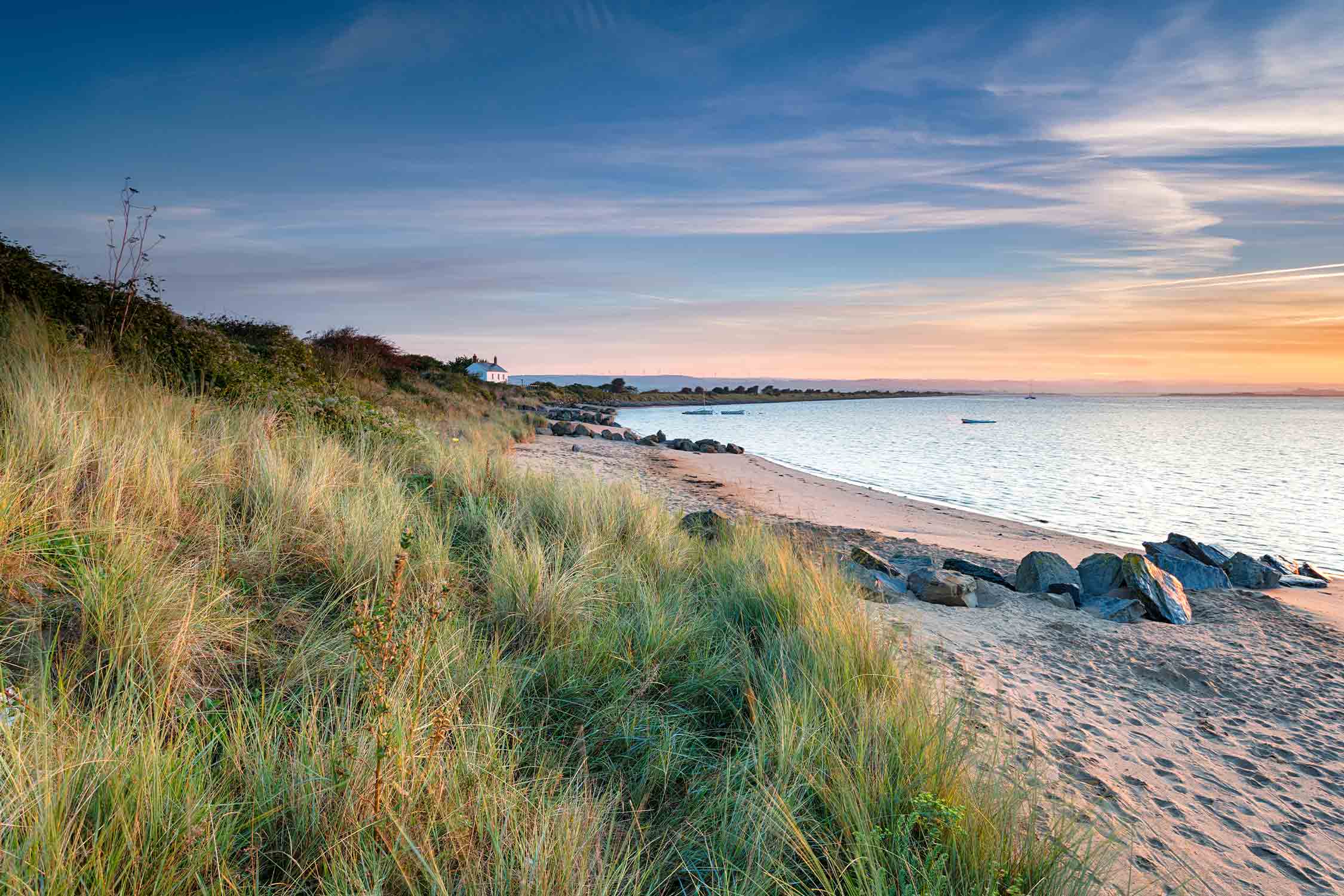
Our seafood is 100% British and led by the day boat.
This is not about nationalism, but proximity and accountability. British waters offer an extraordinary range of species, many of them underused. By buying from day boats, we accept inconsistency in favour of freshness and sustainability. The menu shifts accordingly, shaped by what is landed rather than what is demanded.
We cook with energy that is entirely renewable.
Across our sites, electricity is sourced from renewable suppliers, our kitchen operating without gas. Induction cooking, efficient systems and careful energy management are not visible to guests, but they fundamentally change the environmental cost of each service.
We treat waste as a resource.
Food waste is inevitable in any kitchen, but what happens next is a choice. Our waste is collected and processed through anaerobic digestion, returning energy back into the system rather than sending it to landfill. It is not a perfect solution, but it is a considered one.
We champion oysters not just as food, but as restoration.
Oysters filter water, improve marine ecosystems and actively capture carbon as they grow. Serving them connects the plate to something regenerative. It is a rare example in hospitality where what we sell can contribute positively to the environment it comes from.
We keep our wine list close to home.
Around a third of our wines come from the UK, and we have deliberately stepped away from sourcing from the other side of the world. It is a quiet shift, but one that reduces the hidden impact of transport while supporting a growing domestic industry.
None of these decisions, on their own, define a restaurant. Together, they begin to form a picture of what responsible hospitality can look like. Not perfect, not finished, but moving in a clear direction.
Earth Day is not a marketing moment for us. It is a checkpoint. A chance to ask whether the systems we have built still hold up, and where they need to go next.
Because ultimately, sustainability in restaurants is not about what we say on a single day.
It is about what we choose to do on all the others.
Here are eight simple yet delicious dressings that pair perfectly with fresh oysters, each designed to complement their natural flavour without overwhelming it.
Read moreThis year, why not surprise your guests with these five exquisite seafood-inspired recipes that are as celebratory as they are delicious?
Read moreAlcohol free cocktails made for all tastes and still using British coastal ingredients.
Read more