




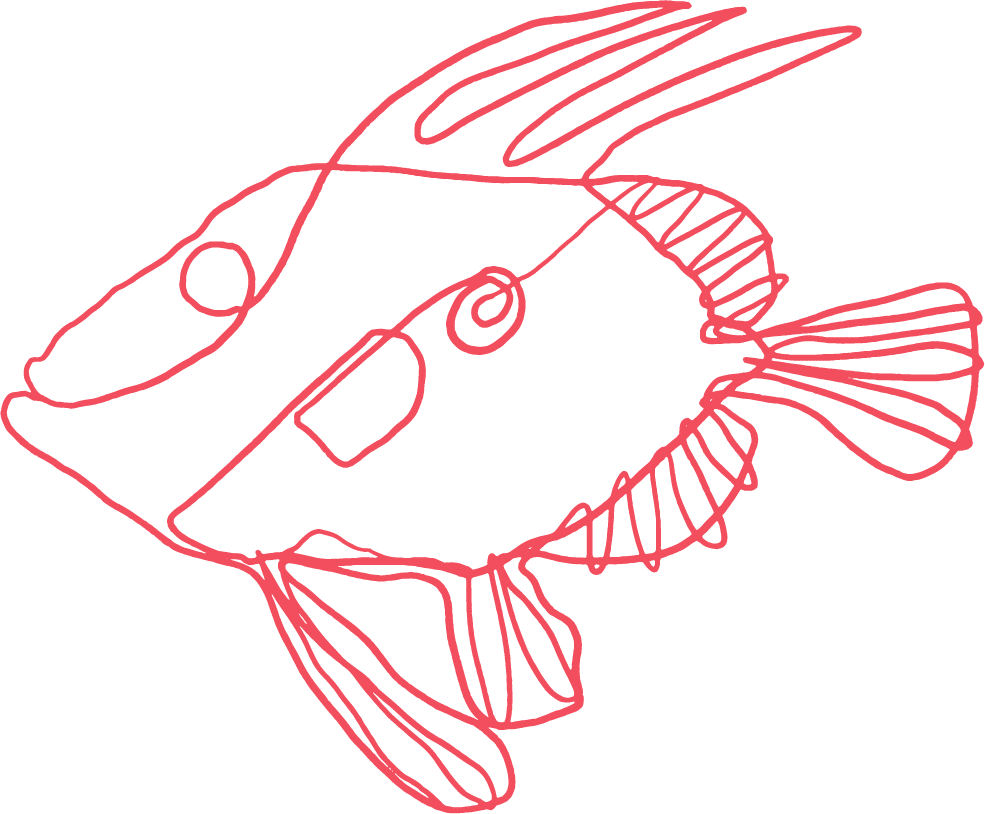
European turbot
Turbot is a large, powerful flatfish with a broad, almost circular body. Its upper surface is usually sandy brown or grey with mottled markings that provide camouflage against the seabed, while the underside is pale. Turbot can grow to around one metre in length and reach 25kg, although fish of this size are rarely caught. Its firm, white flesh is highly prized by chefs.
Turbot is found across the northeast Atlantic, including waters around Britain and Ireland and along the Atlantic coast of Europe. It is also found in the Baltic, Mediterranean and Black Seas.
It typically lives at depths of around 10–70 metres on sandy, rocky or mixed seabeds. Turbot is generally quite sedentary, although some adult migration can occur. In UK waters, it is found in areas including the English Channel, Celtic Sea and North Sea.
Sustainability Rating

Status: There is currently insufficient information to accurately assess many turbot stocks. In the Celtic Sea and western English Channel, scientific data is limited, and catches are not controlled by a specific quota. Turbot is therefore currently recommended as a species to avoid until stock assessment and management improve.

Best Choice: There is currently no recommended option for turbot from the Celtic Sea and western English Channel. If considering turbot from elsewhere, check the individual fishery and current sustainability guidance before buying.

Avoid: Turbot where there is insufficient scientific evidence to demonstrate healthy stocks and effective fisheries management.
Culinary Uses

Turbot is highly regarded for its firm texture, delicate flavour and succulent white flesh.

Excellent roasted or baked whole, particularly for larger fish.

Fillets can be grilled, pan-fried or poached.

Its subtle flavour works particularly well with butter-based sauces, herbs and simple accompaniments.
Best Fishing Practices

Better scientific assessment and stronger management are needed to establish the long-term sustainability of turbot fisheries in many areas.

Turbot is a non-quota species across much of the northeast Atlantic, although the North Sea has a combined catch limit for turbot and brill. Improved catch monitoring, stock assessment and measures to protect juvenile fish would provide a stronger basis for responsible sourcing.

A Fisheries Management Plan covering Channel demersal non-quota species was published in 2024 and specifically includes turbot, with the aim of improving the evidence and management of these fisheries.
Seasonality

Turbot can be available throughout much of the year. January, February and June through December are the preferred months for eating turbot, avoiding the main spawning period during spring and early summer.

Supporting Local, Sustainable Seafood
Turbot demonstrates why the sustainability of seafood cannot be judged by species alone. Although it is a highly prized fish, limited stock information and gaps in management mean responsible sourcing is currently difficult in some fisheries.
Checking the origin of turbot and following up-to-date sustainability guidance is therefore particularly important. Where the health of a stock cannot be demonstrated, choosing a better-understood and responsibly managed alternative can help reduce pressure while scientific knowledge and fisheries management improve.
Book now
Join us at Faber Restaurant to explore our menu. Book a table today using the form below or call us on 0208 161 9800 if you have any special requirements.
Faber’s Private Hire Oyster Bar adds a unique and luxurious touch to weddings, private parties, and corporate events.
Read moreFaber’s Private Hire Oyster Bar adds a unique and luxurious touch to weddings, private parties, and corporate events.
Read moreFaber is the perfect venue for group dining, drinks and our tasting menu. Catering for large parties and corporate occasions and dining with our tasting menu options.
Read more