![]()

WHITBY
1st February
Sunrise: 07:52
Average sea temperature: 6.9°c
We’ve all had enough of drawn our dark nights and winter weather and whilst February may feel like we are still in the depths of winter, the nights are slowly getting shorter, storms less frequent and if you look hard enough there are some early tell-tale signs that spring is on the way. Look closely and on our coastlines, you will see wildflowers, like snowdrops and crocuses begin to blossom and migratory birds begin to nest and breed.
Patience is the name of the game for farmers and gardeners alike. The longer days and glimpses of sunlight may tempt many to start sowing seeds but there is still time to wait until sunnier days and morning frosts have receded.
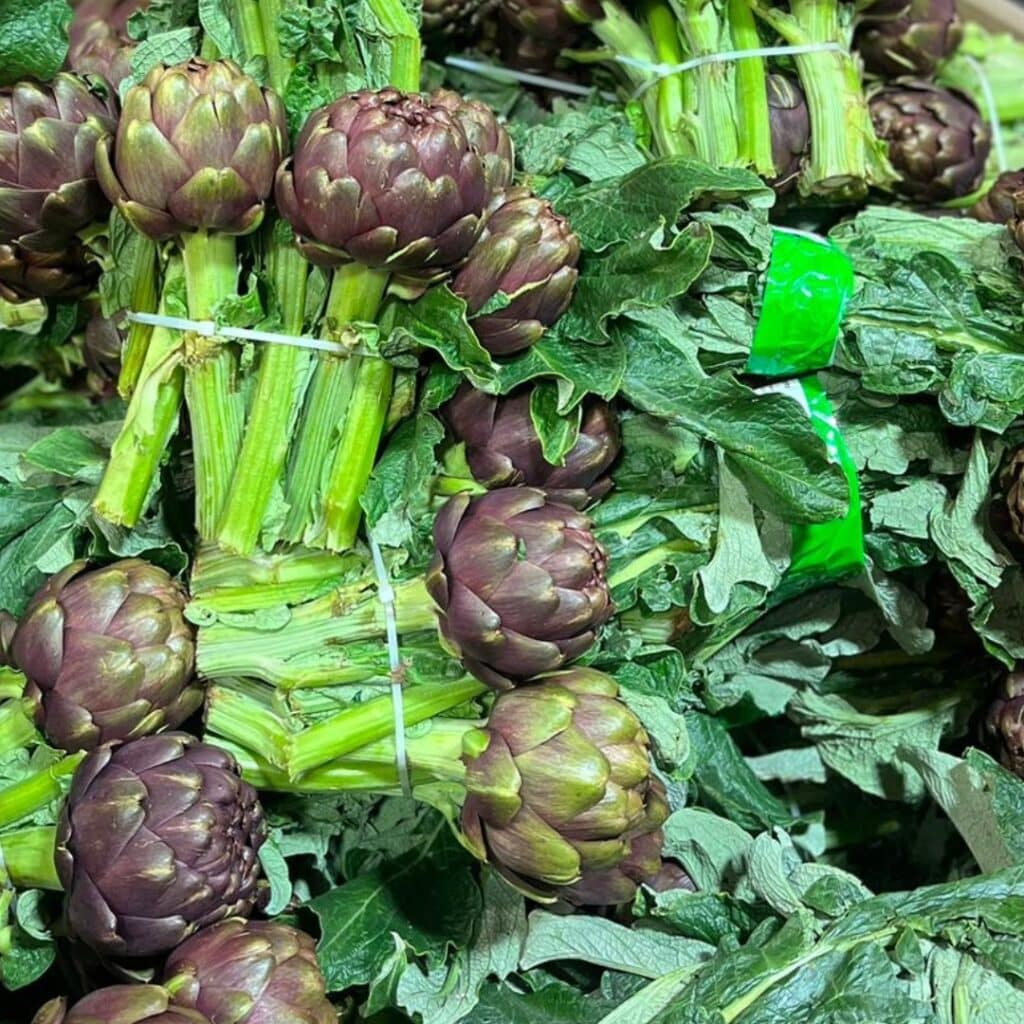
Rhubarb and artichokes are welcome additions to menus but winter stores of apples, potatoes, etc are still an important form of sustenance and choice for us on our menu. That said it is that time when stored items could be stretched to the limits and to ensure quality chefs must be ever diligent when those ingredients arrive at the kitchen door to ensure the best gets makes it over the kitchen pass.
Out at sea many species are now in spawning season, noticeably Sea Bass has been removed from our menu despite being one of our top selling dishes, alongside other flat fish. There isa still plenty of choice but we are ever mindful of stocks and in recent years species like Whiting have been over fished although in season and must be allowed to repopulate.
Skate – Brixham, Penzance
Sea Bream – Brixham, Penzance
Monkfish – Peterhead
Dab – Plymouth, Penzance
Mackerel – Looe, Brixham
Herring – Brixham
Sole – Dover, Hastings, Brixham
Coley – Brixham, Penzance
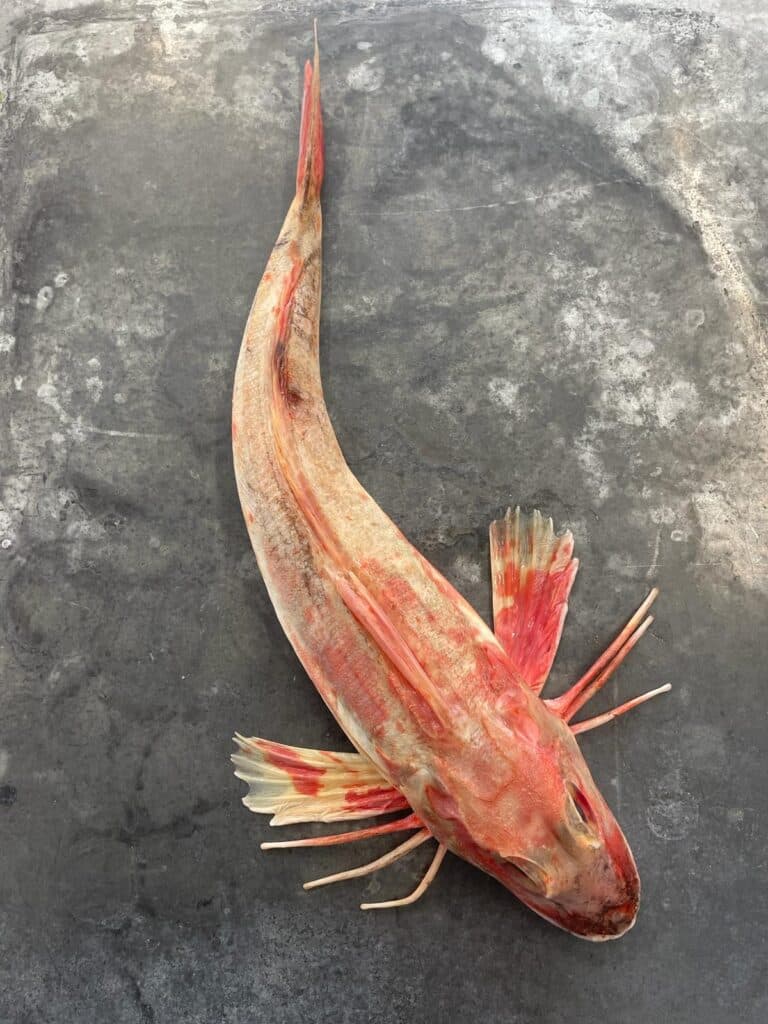
Gurnard – Brixham, Penzance
Cod – Peterhead
Pollock – Port Isaac
Sardines – Brixham
Cuttle Fish – Poole
Spider crab – Pembrokeshire
Clams – Poole
Mussels – St Austell
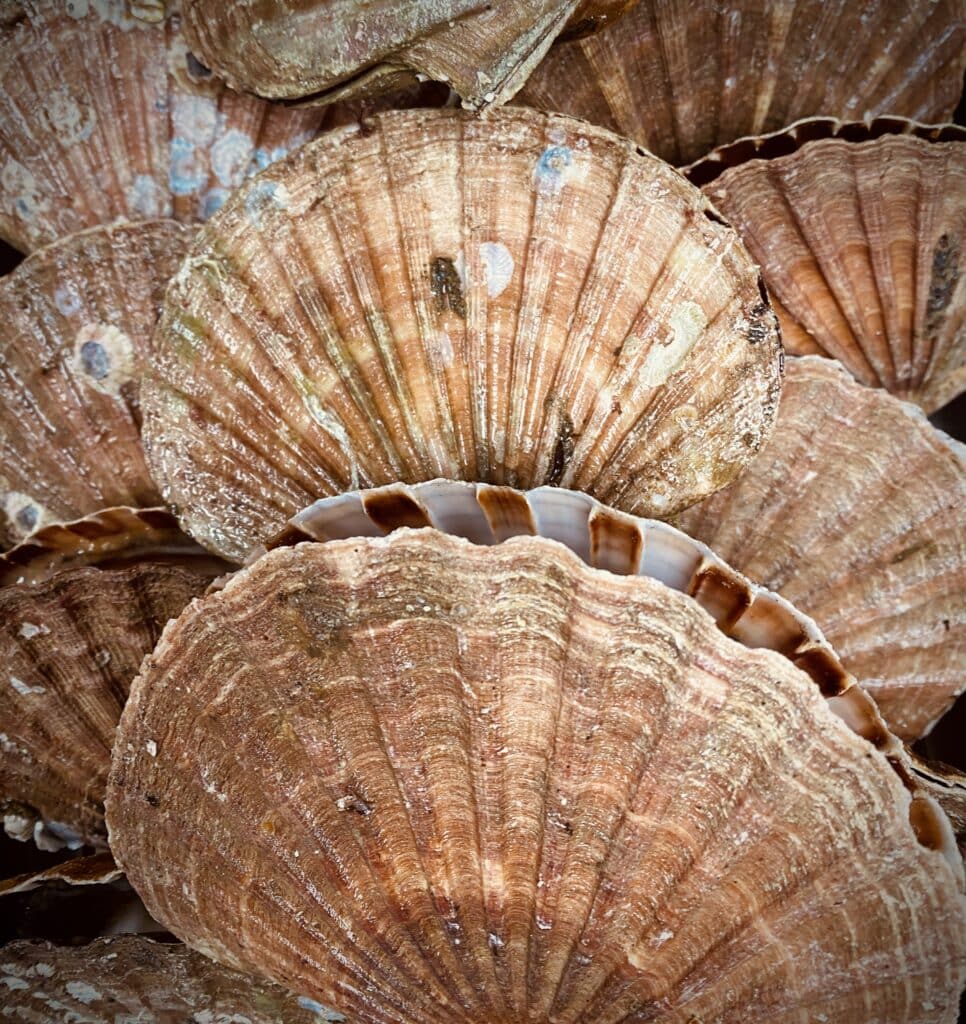
King Scallop – Orkney
Langoustines – Oban
Oysters – All locations
Pepper dulse – Pembrokeshire
Oarweed – Pembrokeshire
Razor Clam – Shetland
Forced Rhubarb
celeriac
chard
chicory
Jerusalem artichokes
kale
leeks
Pak choi
parsnips
purple sprouting broccoli
salsify
Earth Day offers a moment to reflect on the choices behind every plate at Faber. Rather than grand gestures, our approach is built on daily decisions — from refusing tuna, salmon and trawler-caught fish, to working exclusively with British day boat seafood. Alongside renewable energy kitchens, waste-to-energy systems and oysters that actively restore marine ecosystems, it is a considered, evolving way of cooking that looks to tread more lightly on the world around us.
Read moreRecent decisions by retailers to remove mackerel from sale have highlighted concerns around how the wider fishery is managed. Yet when caught by small coastal day boats using traditional hook-and-line methods, mackerel remains one of the most sustainable fish in British waters, which is why it continues to have a place on our menu.

Read moreFor centuries it was one of the great staples of the Thames and the estuaries of England. Londoners ate eel in pies, stews and jellied form, often bought from small street stalls that served the city’s dock workers, traders and labourers. It was local, abundant and deeply tied to the rivers that flowed through the country. Today eel carries a different reputation.
Read more