




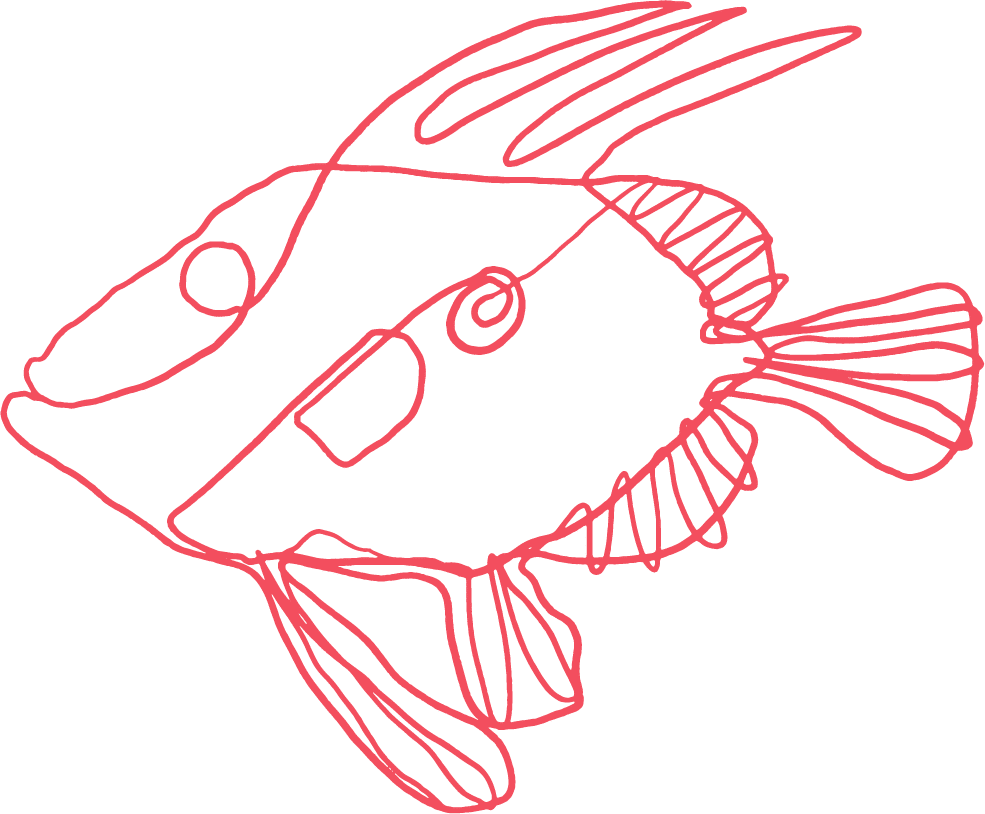
Wreckfish (Polyprion americanus)

Stone bass, Atlantic wreckfish

Wreckfish is a large, powerful predatory fish with a thick, muscular body, broad head and distinctive large mouth. Its colouring is typically greyish-brown to bluish-grey, with a paler underside. It has a robust appearance, prominent fins and a slightly flattened head.


Wreckfish can grow to over two metres and are among the largest deep-water bony fish in the Atlantic. Its flesh is firm, white and meaty, with a mild flavour that makes it highly valued for cooking.

Its flesh is white, delicate and mildly flavoured, making it a versatile fish for cooking.

Wreckfish is widely distributed across the Atlantic Ocean, including the northeast Atlantic around the Azores, Madeira and the waters west of Britain and Ireland. It is also found in parts of the Mediterranean and the western Atlantic.


Adults typically inhabit deep offshore waters, often around rocky reefs, underwater cliffs and shipwrecks at depths of several hundred metres. Juvenile wreckfish are more commonly found near the surface, where they shelter beneath floating seaweed and other debris before moving into deeper habitats as they mature.

In UK waters, wreckfish is relatively uncommon and is occasionally caught in deep offshore fisheries, including waters southwest of Cornwall.

Sustainability Rating

fish-illustration

Status: Wreckfish is a slow-growing, long-lived species with low resilience to fishing pressure. The IUCN Red List classifies it as Near Threatened, but scientific information on many populations remains limited. Its deep-water habitat makes stock assessments particularly difficult, and there is insufficient evidence to demonstrate that catches are sustainable in many fishing areas.

fish-illustration

Best Choice: There is currently insufficient scientific evidence to recommend wreckfish from UK waters as a sustainable seafood choice. Any sourcing decision should be based on reliable stock information and effective management of the individual fishery.

fish-illustration

Avoid: Wreckfish from fisheries where stock levels are unknown, or catches are not effectively managed. The absence of specific catch limits and minimum landing sizes in some fisheries increases concerns about long-term sustainability.

Culinary Uses

fish-illustration

Wreckfish has firm, white flesh with a rich, mild flavour and a substantial, meaty texture.

fish-illustration

Excellent grilled, roasted or pan-fried.

fish-illustration

Its firm flesh holds together well in fish stews, curries and other slow-cooked dishes.

fish-illustration

Large fillets and steaks can be prepared simply with olive oil, lemon, herbs and seasonal vegetables.

Best Fishing Practices

fish-illustration

Wreckfish is occasionally caught using baited hooks and lines in deep offshore waters, often alongside other commercially targeted species.

fish-illustration

Hook-and-line fishing can be relatively selective, but the fishing method alone does not guarantee sustainability. The species' slow growth and late maturity make it particularly vulnerable to excessive fishing pressure.

fish-illustration

Improved catch reporting, scientific monitoring and stock assessments are needed to establish appropriate management measures. There are currently no specific minimum landing sizes or catch quotas for wreckfish in some UK fisheries.

fish-illustration

Protecting mature breeding fish and developing a better understanding of population levels are essential for the long-term conservation of the species.

Seasonality

fish-illustration

Wreckfish is only occasionally landed in UK waters, so availability is limited and unpredictable.

fish-illustration

Landings may occur year-round, although the preferred months for consumption are generally July through December.

fish-illustration

However, the lack of reliable stock information means seasonality should not be used as an indication that wreckfish is a sustainable seafood choice.

Supporting Local, Sustainable Seafood

Wreckfish highlights the challenges of managing deep-water species that are rarely encountered and poorly understood. Its slow growth, late maturity, and limited stock information make it difficult to determine whether current fishing levels are sustainable.

Choosing alternative fish from healthier, well-managed stocks can help reduce pressure on vulnerable deep-water species. Better scientific monitoring and effective fisheries management will be essential before wreckfish can be confidently recommended as a responsible seafood choice.

Book now

Join us at Faber Restaurant to explore our menu. Book a table today using the form below or call us on 0208 161 9800 if you have any special requirements.

Book NowCall