![]()

WHITBY
1st January
Sunrise: 08:24
Average sea temperature: 7.3°c
The hustle and bustle of Christmas is over, we step in to a New Year and winter feels it’s harshest. Our shorelines have a majestic, powerful beauty to them when one steps outside and braves the elements.
For ingredients the month can be both incredibly rich but also sparse in times of storms, as I write this our coastline is being lashed by high winds, there is over 100 flood warnings in place and boats are anchored in safe harbours. It’s brave souls who venture out of harbours in this weather to gamble with the elements to bring rich catches in on the odd bright and clear day. At Faber it makes menu planning challenging but also brings with it a sense of excitement that we’ll be receiving some of the best of the best from day boats who do make the catch.
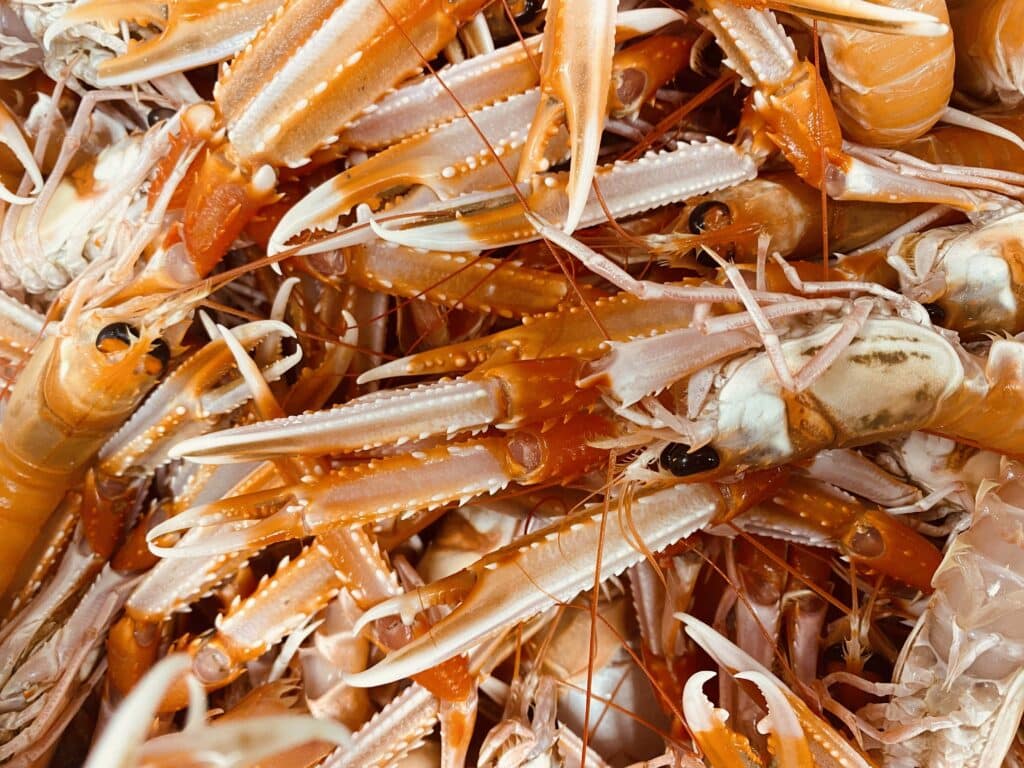
Pot caught & plucked items are also at a peak in January, with the madness of Christmas out the way Lobster becomes more sensibly priced and is in great shape alongside other crustaceans especially Scottish langoustines and prawns of the Pembrokeshire coast. Native shellfish is also at a peak when the waters are calm enough to haul or dive.
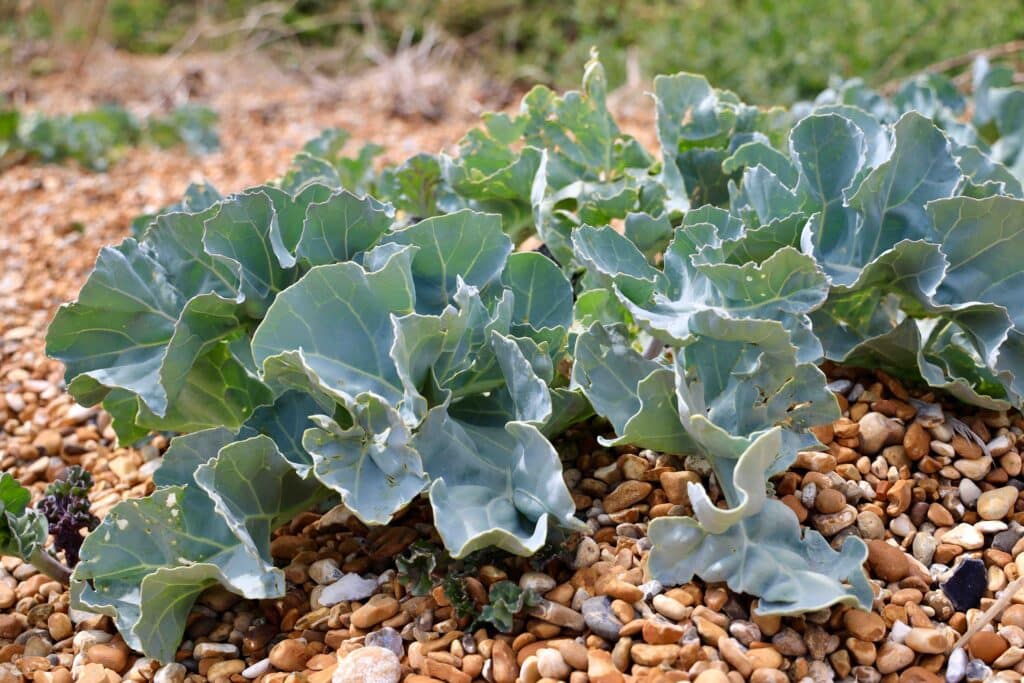
Along our shorelines greens aren’t as sparse as you might believe, now root vegetables, variants of cabbages and dark leafy greens flourish and sustain us. Traditionalist will also appreciate that well stored items from harvest are still available although not strictly in season including apples, pears, beetroot, carrots, garlics & onions,
January is also a time of last chances, out at sea we are nearing spawning season and as well as many flatfish, Sea bass will be absent from our menus for a few months after stringent regulations were put in place successfully to reinvigorate a species that could have been wiped from UK waters not so long ago, a success story when it comes to sustainable practises in our waters. If you do chance upon Sea bass on restaurant menus after late January it’s farmed or frozen.
Brill – Brixham, Penzance
Monkfish – Peterhead
Sea bass – Plymouth, Looe
Mylor prawns – Tenby
Dab – Plymouth, Penzance
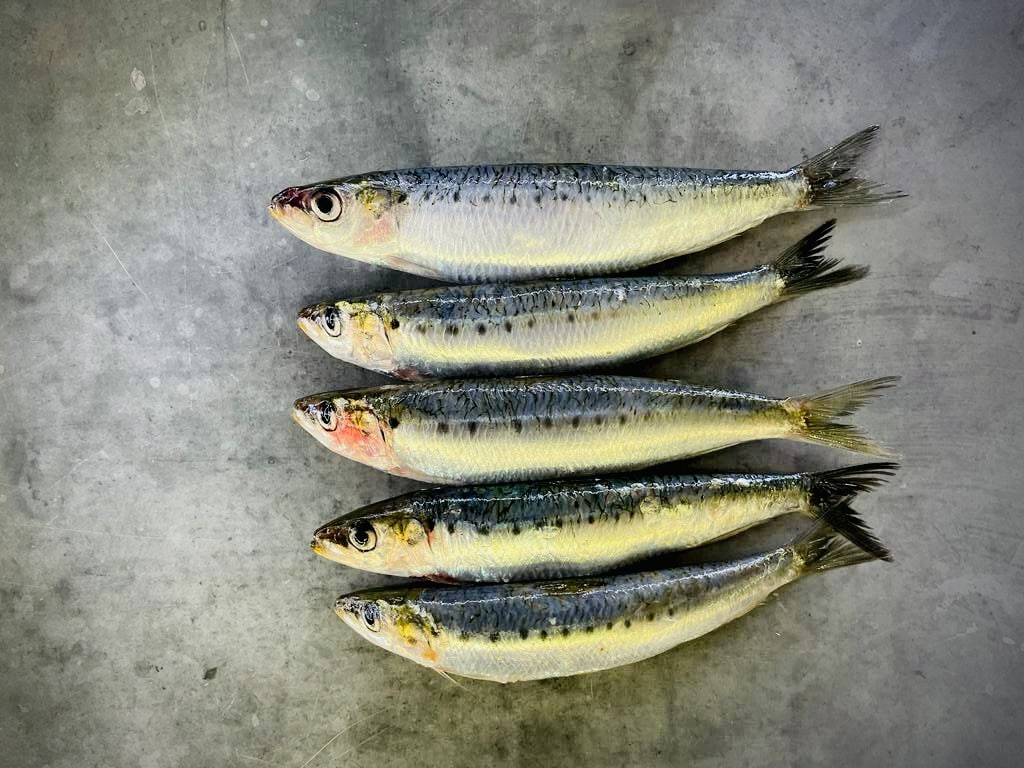
Mackerel – Looe, Brixham
Herring – Brixham
Sole – Dover, Hastings, Brixham
Brown crab – Dorset, Pembrokeshire, Cornwall
Lobster – Pembrokeshire, Dorset
Velvet crab – Pembrokeshire, Dorset
Langoustines – Oban
Mussels – Shetlands, Cornwall
Clams – Dorset
Oysters – All locations
Laver – Pembrokeshire
Pepper dulse – Pembrokeshire
Oarweed – Pembrokeshire
Watercress
Kales
Purple sprouting broccoli
Leeks
Cavolo nero
Celeriac
King cabbage
Swede
Chard
Black radish
Jerusalem artichoke
Shallots
Chantenay & rainbow carrots
Rhubarb
Fungi – Shiitake, Oyster, Portobello, Chestnut &Nameko
For centuries it was one of the great staples of the Thames and the estuaries of England. Londoners ate eel in pies, stews and jellied form, often bought from small street stalls that served the city’s dock workers, traders and labourers. It was local, abundant and deeply tied to the rivers that flowed through the country. Today eel carries a different reputation.
Read moreWe’ve been invited to host our very ow Chef’s fish counter and tasting menu at The Holborn Dining Room, part of The Rosewood Hotel London.

Read moreThis summer we’ll be taking up residency in collaboration with Setlist @ Somerset House. Shucking oysters on the riverside terrace
Read more